There is a version of the food business that customers see. And there is the version that operators live.
They are not the same.
The gap between those two versions is where the real work happens. And understanding that gap — truly understanding it — is what separates operators who endure from those who simply survive the next service.
At 40,000 Feet
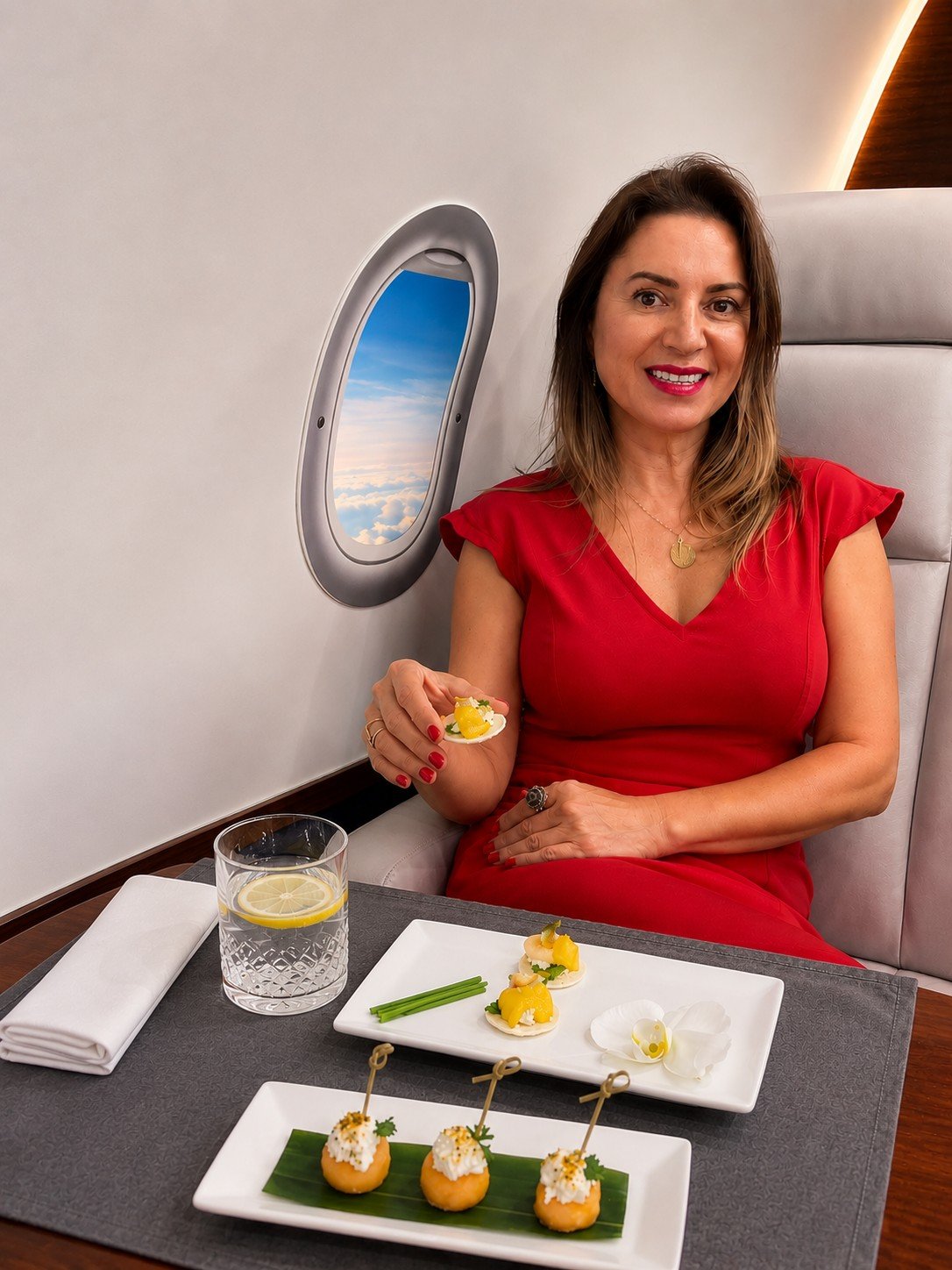
At one point in my career, I entered the world of private jet catering. The clients were discerning, the expectations absolute, and the notice was often short.
A request would come in. A departure was scheduled. What needed to arrive on that aircraft, on time, presented with precision, was non-negotiable.
What the client experienced was seamless. Premium ingredients, beautifully presented, properly packaged to maintain integrity at 40,000 feet, prepared exactly to their specifications. Sometimes to their own recipe. Sometimes including specialty items they expected without question.
What the client never saw was everything else.
The rush to source top-quality fresh ingredients on short notice. The search for off season, specialty items that were not sitting on a standard shelf. The prep, the production, the plating, the specialized packaging, all of it executed quietly, precisely, and on schedule. And while all of that was underway, the last minute additional requests being fulfilled in parallel.
The experience lasted the length of a flight. The operation behind it began the moment the request arrived.
The Invisible Architecture of Every Meal
Private aviation is an extreme example. But the structure beneath it is not unique to that world.
Every food business, regardless of format, price point, or audience, operates with this same invisible architecture. The customer sees the plate. The operator manages everything that made the plate possible.
In a restaurant, a guest reads a menu and makes a choice. What they do not see is the purchasing decision made two days earlier, the prep that began that morning, the line that was staffed to a forecast, the mise en place that must be complete before service opens, and the coordination that keeps every ticket moving on time.
In food production, a buyer places an order. What they do not see is the scheduling that made the run possible, the quality checks built into every stage, the cold chain that protects the product from production floor to delivery, and the documentation that ensures compliance at every step.
In catering, a guest arrives to a table set perfectly, a menu executed without visible effort, a timeline that appears effortless. What they do not see is the site survey, the production plan, the load-in, the briefing, and the hours of preparation that made effortless possible.
Why This Gap Matters for Operators
The gap between what customers experience and what operators manage is not a problem to close. It is, in fact, the mark of a well-run operation. When guests cannot see the complexity, it usually means the complexity is under control.
The danger comes when operators begin to manage the visible experience at the expense of the invisible infrastructure. When the plate looks beautiful but the purchasing is inconsistent. When the service feels warm but the labor is unplanned. When the event runs smoothly on the surface but the margins underneath tell a different story.
The invisible architecture requires as much deliberate attention as the experience it supports. Often more.
What Enduring Operators Understand
The operators who build businesses that last share one consistent trait: they are as intentional about what no one sees as they are about what everyone sees.
They build systems for sourcing, not just for service. They plan labor before service begins, not during. They track costs with the same care they give to presentation. They treat the back of the operation with the same standards they would never lower at the front.
Because they understand something that takes some operators years to internalize: the customer experience is the result of the operational foundation. You cannot sustain one without the other.
The business behind the plate is not the unglamorous part of this work. It is the part that makes everything else possible.
With intention,
Rosana Santos Calambichis
Culinary Passion. Operational Discipline. Human Purpose.
This is part of an ongoing series where insights, stories, and purpose behind food businesses that endure meet at the table. New articles publish every two weeks at The Enduring Table.