In Greece, the word philoxenia captures a beautiful idea: love of the stranger. It is something you experience at the table. A host recommends another plate, a conversation begins, and a little something arrives from the house when you think the meal is over.
On The Food Business Blueprint Podcast, I explored the pleasure of that welcome. Here, I want to look at what happens behind it. I have spent over two decades working in food operations, and I know that the warmth a guest remembers is supported by decisions behind the scenes.
That is what makes philoxenia interesting to me as both a guest and an operator. Hospitality can feel wonderfully spontaneous while being thoughtfully designed. Five operating choices make that possible.
1. Define the Standard, Then Give It an Owner
In Greece, fresh ingredients and familiar recipes often form the foundation of a taverna’s identity. Guests return knowing what to expect. Every food business has an opportunity to define its own promise just as clearly.
For a bakery, it may be bread baked each morning. For a caterer, food that arrives at the event as good as it left the kitchen. For a restaurant, a signature dish whose flavor guests recognize every time. State that promise in one sentence, so the whole team can carry it into service.
Then make someone accountable for it. A simple shift check, a clear way to flag a deviation, and a brief conversation before service can make a standard visible. When costs change, examine the options for preserving the guest promise while sustaining the operation’s financial health.
I have seen how much confidence a team gains when everyone knows which standards define the business and who is responsible for maintaining them.
2. Design for Sharing
One of my favorite moments in a Greek taverna is when the mezedes arrive in the middle of the table. Everyone reaches for something, discovers a new flavor, and offers a plate to someone else. Food becomes part of the conversation.
There is a commercial lesson in that experience. Sharing can introduce guests to more of the menu and make another order feel like a natural part of the occasion. A restaurant can offer plates intended for the table. A caterer can create shared stations or platters. A bakery can introduce a tasting assortment or a mixed box.
The operator still has to do the mathematics. Set portions intentionally, understand the food cost, and price group offerings so they work for the guest and the kitchen. Train the team to recommend another dish with the judgment of a good host, at the moment it adds to the guest’s evening. The experience grows richer, and the business has room to grow with it.
3. Teach Hospitality as a Practice
I enjoy watching a taverna owner move through the dining room, greeting regulars and asking a visiting guest where they are from. It takes only a moment, yet that attention shapes the entire evening.
An owner can set the example, but an enduring business needs the practice to belong to the whole team. Recruit for genuine interest in people, then teach the service standards that express it. Show employees which moments deserve extra care: a family celebration, a guest who has been waiting, or someone visiting for the first time.
Give employees room to act. Define the gestures they may offer, the circumstances in which they are appropriate, and the cost boundaries. A server who can send a small dessert to a birthday table can turn good judgment into a lasting memory.
Recognition counts too. When a team member makes someone feel especially welcome, share the example. The behavior you celebrate becomes part of your culture.
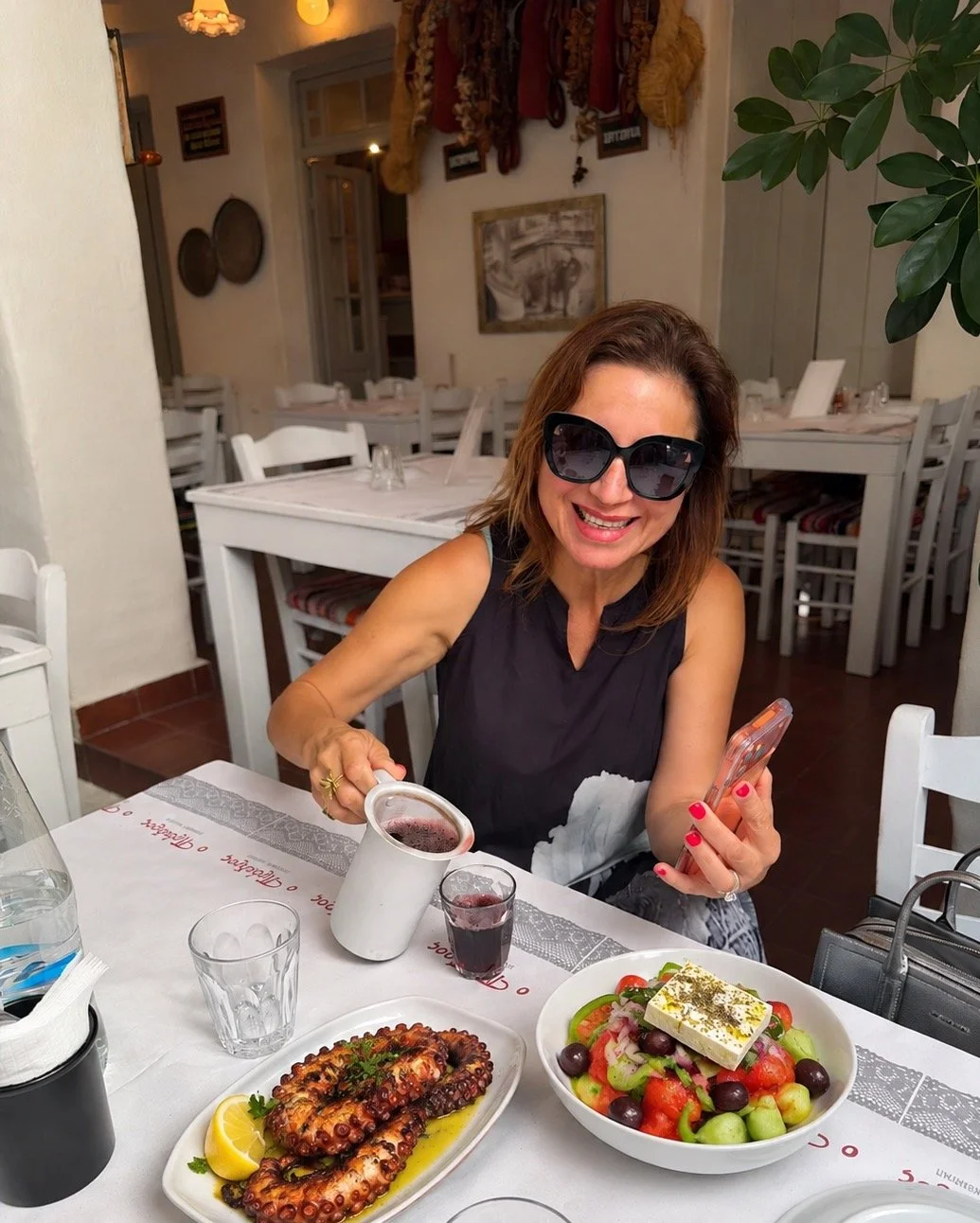
4. Plan the Generosity
The little dessert from the house is a lovely surprise. From the operator’s chair, I see another detail: someone chose it, purchased its ingredients, prepared it, trained the team to serve it, and accounted for its cost.
This is where generosity becomes a practical strategy. Choose one or two signature gestures that suit your concept. A taverna may offer fruit or a small sweet. A bakery may include a taste of a seasonal specialty. A caterer may add a personal note to the delivery. The strongest ideas fit the kitchen and can be repeated with care.
Cost each gesture per guest or order and allow for it in the pricing model. Track the investment, then look for patterns in returning guests, referrals, and reviews that mention the experience. Those indicators offer useful signals, even though loyalty develops for many reasons.
The objective is to make the guest feel genuinely appreciated while keeping the gesture sustainable. Good operations give people the freedom to be generous again tomorrow.
5. Think in Decades
Many Greek tavernas carry stories across generations. I can imagine a young couple returning years later with their children, sitting at a familiar table and introducing them to a dish they remember.
That kind of continuity asks an operator to make decisions with a longer horizon. Preserve the recipes and techniques that make your food distinctive. Develop strong relationships with suppliers through fair expectations, reliable communication, and consistent standards. Such partnerships can improve coordination and create more options when conditions change, provided they are maintained with care.
Remember your regulars, their preferences, and the occasions they celebrate, with respect for their privacy. Above all, consider how a decision serves the business and its guests over years, as well as through the next service.
A thoughtful gesture may have a small cost this evening. Its greater value may emerge through a relationship that continues for a decade.
The Welcome and the System
Philoxenia reminds me why people choose to gather around a table. Food brings us together, and the welcome is what stays in our memory.
The operator has the responsibility and the privilege of making that experience repeatable. Clear standards, sharing designed into the menu, hospitality practiced by the team, generosity supported by sound pricing, and decisions made with a long view all contribute to that continuity.
These ideas connect with the three elements at the heart of The Food Business Blueprint. Culinary passion builds the menu. Operational discipline builds the systems. And human purpose, the genuine desire to give people an experience worth returning to, builds endurance.
The guest feels the welcome. The operation makes it possible to offer that same welcome again, and to the generations who follow.
Culinary Passion. Operational Discipline. Human Purpose.
This is part of an ongoing series where insights, stories, and purpose behind food businesses that endure meet at the table. New articles publish every two weeks at The Enduring Table.